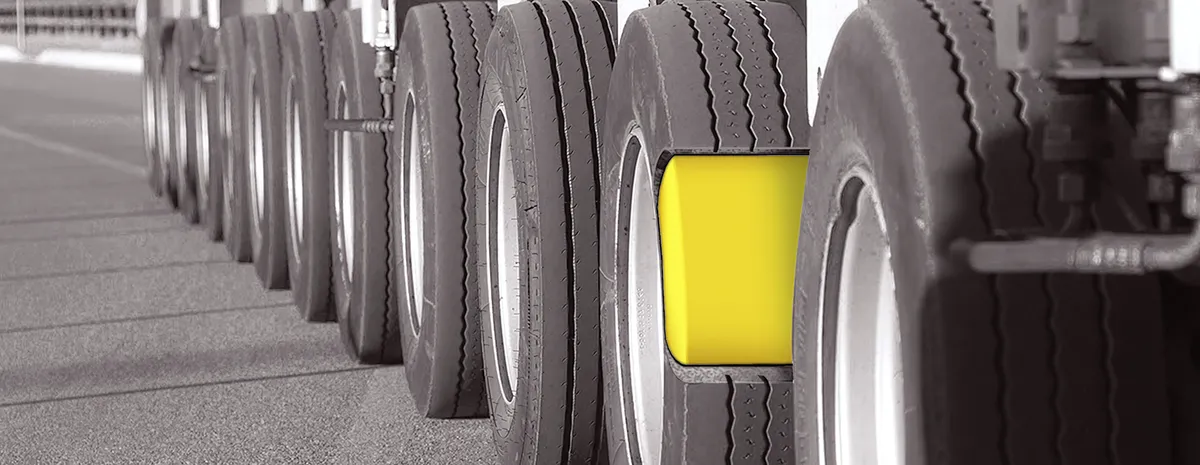
Frontier TireFill Tech
Frontier TireFill is a smart investment that pays for itself quickly by eliminating repair and service costs.
What is TireFill
TireFill is a process in which a liquid polymer is pumped into the tyre in place of the air. Within 24 hours it cures into an elastic polyurethane core. The tyre can no longer go flat, yet it still rides like an air-filled one.
It uses the existing tyre and rim, and the fill lasts for the life of the tyre. Flat Proofing Polymer technology is used worldwide across a wide range of applications.
Why operators choose TireFill
Rides like a pneumatic tyre
Cured polyurethane stays elastic and absorbs shock, so operators get the ride of an air-filled tyre. Less fatigue, less wear on the machine.
No flats
Once cured, the tyre cannot go flat from nails, spikes, slag or rocks.
Safer on site
No sudden pressure loss and no blowouts, a lower centre of gravity, less risk of rollover and better traction.
The manufacturer’s pressure
The tyre is filled and cured at the correct pressure and holds it for good: the load spreads evenly, with none of the wear over- or under-inflation causes.
A hardness for every machine
From a softer fill with the deflection of air to a firm one for very heavy loads. The formula follows the machine and the ground.
Pays for itself
Savings on flat repairs, service callouts and lost productivity typically cover the cost of filling.
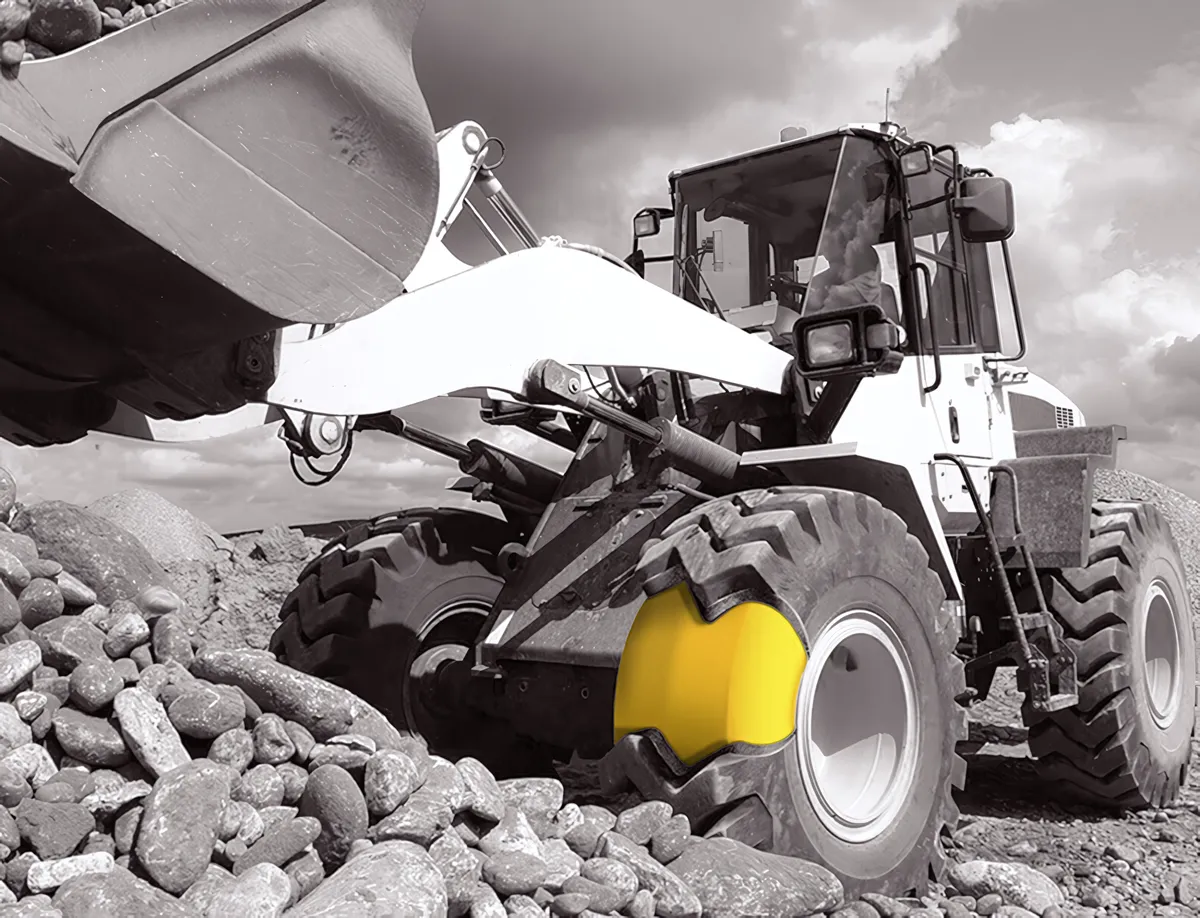
Suits a wide range of industries: mining, construction, forestry, aviation, ports, warehousing, equipment rental. Any off-highway machine working under 60 km/h.
Get a TireFill quote- 24 hto a fully cured, elastic polymer core
- 100%of the tread used: the tyre is replaced only once worn
- 0 Flatsfor the life of the tread
Technology designed to deliver efficiency, savings and safety.
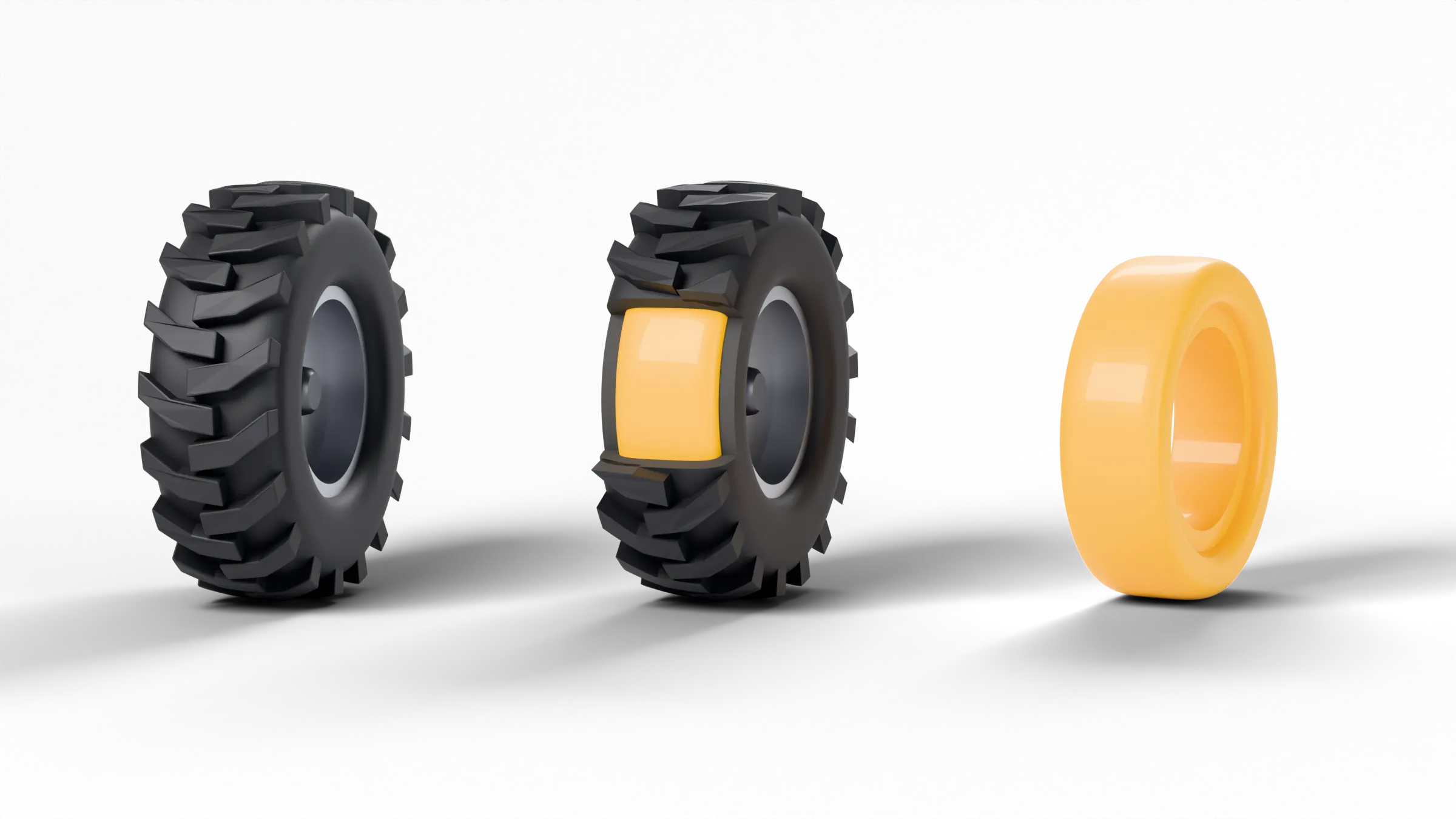
The tyre
The tread
With no flats, the tyre stays in service until it is fully worn.
Cut away
The polyurethane core
The liquid polymer cures at a variable pressure into an elastic core that gives the tyre its integrity.
- Cure
- 24 - 48h
The core
A hardness for every machine
From a softer fill with the deflection of air to a firm one for very heavy loads. The formula is chosen by the ground and the machine, and even by preference.
Frontier TireFill tyres are virtually indestructible.
Filling extends the life of the tyre, makes it completely flat-proof and removes costly downtime. The polymer replaces the air in the tyre with a liquid compound which, once cured, makes it impervious to nails, spikes, slag and rocks.
Safety is the other major gain. Filling removes sudden pressure loss, helps the machine handle overloads, lowers its centre of gravity to reduce the risk of rollover, and improves traction.
Through its special blending formulas, Frontier TireFill offers the right product for every application.
How the filling process works
Filling
Liquid polymer is pumped in through the valve and replaces all the air. The tyre stays on its rim.
Pressure
The tyre is set to its manufacturer’s pressure and holds it for life.
Curing
Within 24 to 48 hours the polymer sets into an elastic core, and the machine can go back to work.
TireFill against air-filled and solid tyres
Solid tyres end the flats but pass every shock on to the operator and the machine. Polyurethane fill keeps the best of both.
| Frontier TireFill | Air-filled tyres | Solid tyres | |
|---|---|---|---|
| No flats | Yes | No | Yes |
| No sudden pressure loss | Yes | No | Yes |
| Absorbs shock like air | Yes | Yes | No |
| No hard vibration passed to operator and machine | Yes | Yes | No |
| Keeps the existing tyre and rim | Yes | Yes | No |
| Constant pressure, no checks | Yes | No | Yes |
No flats, with the traction of an air-filled tyre
Solid tyres resist punctures too, but they are rigid and grip poorly. A filled tyre holds a constant internal pressure, just as an air-filled one does, and keeps its traction and stability with it. The machine works safely over rock, nails and rebar.
Less vibration for the operator
Cured polyurethane absorbs the shocks and vibration a solid tyre passes straight into the cab, and the ride is much closer to an air-filled tyre’s. The operator is under less strain over a shift, and vibration taken all day long is a health matter as well.
Less wear on the machine
Every shock the tyre does not absorb reaches the rims, bearings, welds, axles and joints. A solid tyre passes almost all of it on. Polyurethane fill cushions it in the wheel, so those parts wear more slowly and the machine lasts longer.
Pressure and hardness to suit the site
No two sites are alike, and neither is the load they put on the machine. The fill goes into the tyre the manufacturer specified, with its own tread, and the pressure and the polymer’s hardness are chosen for the load and the ground. A solid tyre offers none of those choices.
Frontier TireFill suits any off-highway machine working under 60 km/h.
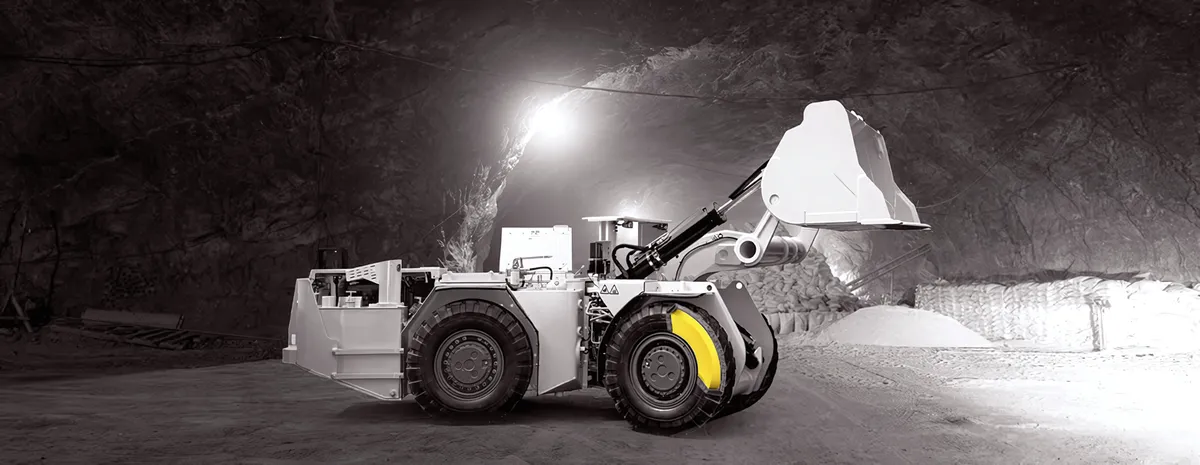
Mining and quarries
Underground loaders, LHDs and quarry machines working over sharp rock and slag, where repairing a flat is difficult and costly.
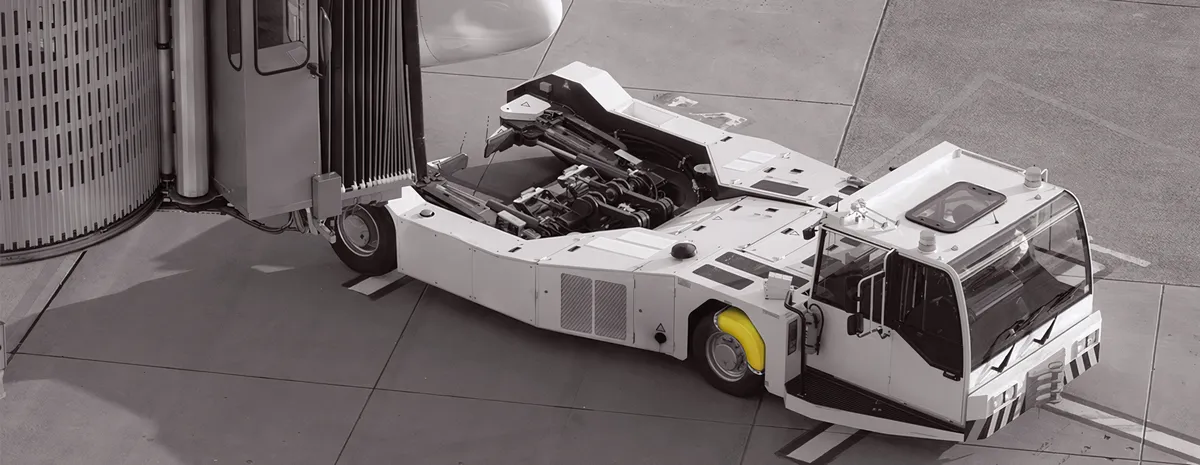
Airports and ports
Aircraft tugs, apron and terminal equipment, where unplanned downtime delays operations.
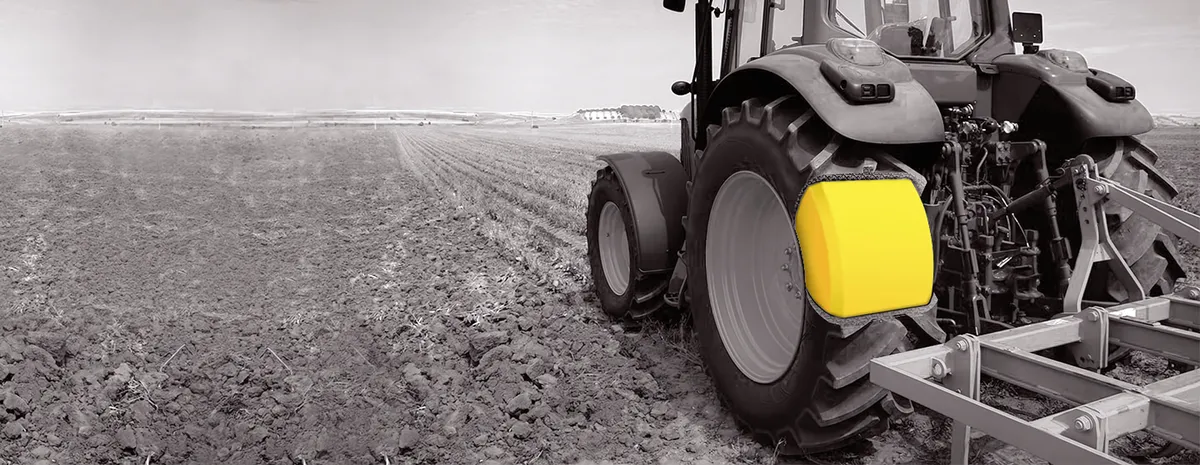
Farming and forestry
Tractors, trailers and forestry machines working over stubble, stumps and stony ground.
Also
- Construction equipment
- Forklifts and lifting platforms
- Mining equipment
- Large wheel loaders
- Tractors and trailers
- Haul and refuse trucks
- Cranes
- Scrapers and graders
- Heavy-duty haulers
Frequently asked questions about tyre filling
Which tyres can be filled with polyurethane?
Any pneumatic equipment tyre, new or in good condition, mounted on its rim. From forklifts and aerial platforms to wheel loaders, tractors and mining machines. The one limit is speed: tyre fill (tirefill) is for machines working under 60 km/h.
How long does filling take, and when can the machine work?
Filling is done the same day. The polymer cures within 24 hours, and from then on the tyre is ready for work for the rest of its life.
Does a filled tyre ride harder?
No. Unlike a solid tyre, cured polyurethane stays elastic and absorbs shock much as air does. The operator tires less, and the machine’s transmission and frame take less vibration.
How much heavier does the tyre get?
On a machine of several tonnes the difference is small against the payload, and the added mass helps lower the centre of gravity and improves the machine’s stability.
Does it wear out faster?
No, provided the fill pressure and hardness suit the application. The tyre holds the manufacturer’s pressure for good, so it wears evenly and uses its whole tread.
What does polyurethane tyre filling cost?
It depends on the tyre size. What you pay for is the volume of polymer. Tell us the sizes, the number of tyres and the machine, and we will come back with a quote.
Talk to our team about TireFill
Tell us your equipment, tyre sizes and where the machines operate, and we will come back with a recommendation and a quote.


